In the midst of New York City’s brutal January 2026 cold snap, where temperatures plunged below freezing for over 11 consecutive days, Mayor Zohran Mamdani’s administration proudly touted its “success” in securing shelter placements for more than 900 homeless individuals through voluntary outreach. Yet as the mercury dipped and the snow piled up, the death toll told a different story: 16 people found dead outdoors, with 13 succumbing to hypothermia and three to overdoses. Many of these victims were unsheltered, battling mental illness or substance abuse, and had prior contact with the city’s shelter system. The mayor’s hands-off approach, eschewing forced removals in favor of “meeting people where they are,” has been hailed by progressives as compassionate. But if success is measured by outcomes, these policies are indeed “working”: not by elevating the vulnerable, but by allowing tragedy to unfold while the rest of us grapple with the broader drag of socialist idealism on a city already straining under its weight.
Mamdani, a self-identified democratic socialist, entered office in January 2026 after a meteoric rise from state assemblyman, promising a shift from punitive enforcement to housing-first solutions. He ended routine encampment sweeps, a policy from predecessors like Eric Adams and Bill de Blasio, arguing they displace without solving root causes. Instead his team ramped up outreach with social workers, relaxed shelter rules, and opened new facilities, like 50 single-room units in Upper Manhattan and a 106-bed safe haven in Lower Manhattan. Involuntary transport remains a “last resort,” applied in only about 18 cases during the freeze, reserved for those in imminent danger. The result? While 900 found refuge, critics point out that past administrations’ more assertive tactics, despite their flaws, might have coerced a few dozen more indoors, potentially averting some of those 16 deaths. Historical data bears this out: Under Adams in 2022-2023, cold-related deaths averaged 34 annually amid sweeps, but the baseline was higher due to other factors; de Blasio’s era saw around 12 per year. Mamdani’s voluntary model may build trust long-term, but in a killer cold snap, it left the most resistant, often impaired by drugs, alcohol, or exhaustion, to their fates.
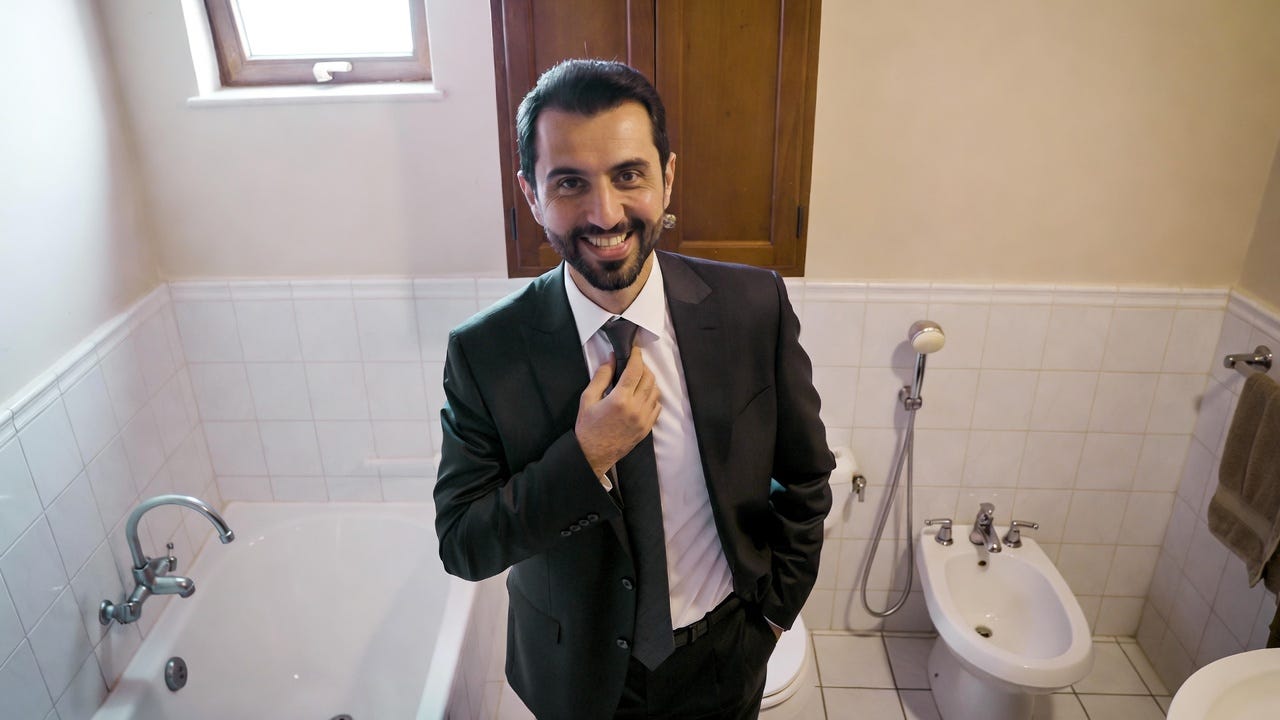
This is not just about one freeze; it is emblematic of a philosophy that prioritizes ideological purity over pragmatic results. Mamdani’s background underscores the irony: Born in Uganda to acclaimed filmmaker Mira Nair and anthropologist Mahmood Mamdani, he grew up privileged, attending Bronx High School of Science and Bowdoin College, where he majored in Africana Studies. Post-graduation in 2014, his resume includes brief stints as a community organizer, campaign manager for progressive candidates, and foreclosure prevention housing counselor, roles funded by nonprofits or campaigns, not the private sector grind he critiques. He dabbled in music as a rapper under “Mr. Cardamom” and worked on his mother’s film “Queen of Katwe.” Critics label him a “nepo baby” with scant real-world experience, yet he champions policies that could strain infrastructure and raise taxes, potentially leading to brownouts or heating shortages in a city with aging grids. His proposed $1.1 billion Department of Community Safety, to shift responses from NYPD to civilians, remains unfunded, relying on transfers and new revenues amid a deficit. It is aspirational, much like his early Gracie Mansion upgrade: installing bidets, a quirky nod to hygiene that became fodder for those seeing luxury amid crisis. While his tush stays clean and warm, the unsheltered froze.
At its core, this brand of socialism does not lift; it levels. Cities like Vienna succeed with social housing, but Mamdani’s version risks dragging everyone down through unchecked idealism. Homelessness persists at 90,000 in shelters and 4,000-5,000 on streets, undiminished by attrition. Critics, from the NY Post to National Review, argue his reluctance to enforce removals, echoed in X posts decrying the deaths, prioritizes autonomy over survival. Even allies like Queens Borough President Donovan Richards broke ranks, calling for sweeps in the cold.
As we reflect on these losses, a deeper moral failing emerges, one rooted in ancient wisdom. In Jewish tradition, pikuach nefesh, the imperative to save a life, overrides nearly all other commandments, derived from Leviticus 18:5: “You shall keep My laws... by which man shall live,” not die. This principle demands action: Break Shabbat to rush someone to the hospital; suspend rituals if it preserves life. Exceptions are few, idolatry, murder, incest, but for the rest, human sanctity trumps. Mamdani’s policies, by refusing compassionate enforcement even in lethal weather, invert this: They elevate personal choice over survival, allowing the impaired to perish rather than intervene. A righteous mayor, guided by such ethics, would prioritize life-saving measures, yes, including targeted, humane removals, while building long-term housing. Not as punishment, but as duty. These deaths are not inevitable; they are a policy choice that clashes with the Torah’s call to value every soul as an entire world.
New York deserves leadership that uplifts all, not one that drags us into shared decline. If these policies keep “working,” we will all feel the chill.